:no_upscale())
Een overlay maakt een website niet vanzelf toegankelijk
Lees verhaal
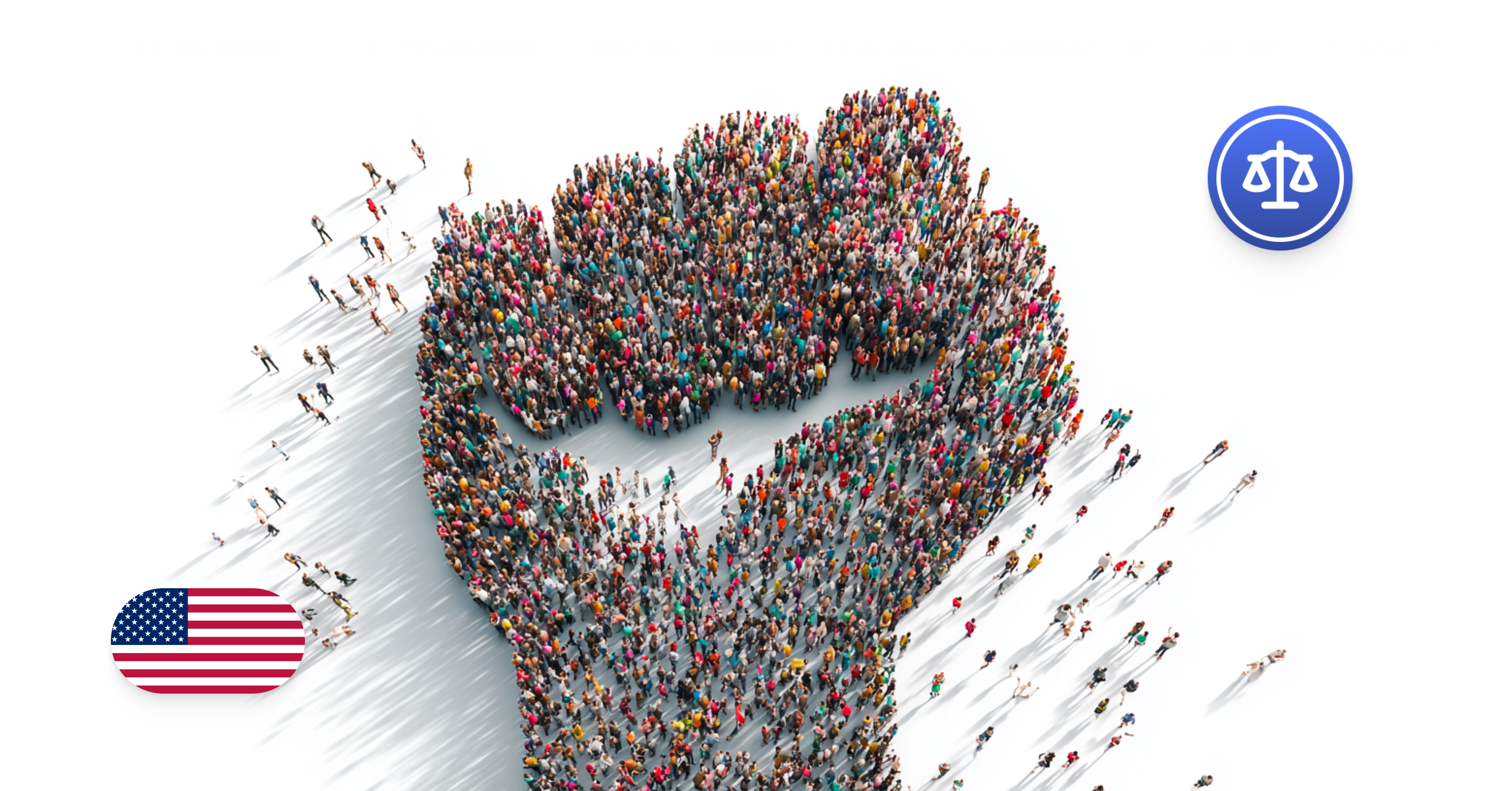 Wat de Amerikaanse uitspraak betekent voor digitale toegankelijkheid en participatie in Europa.
Voor Europese bedrijven, die vanaf juni 2025 te maken krijgen met duidelijke wettelijke eisen op grond van de Barrier-Free Accessibility Act (BFSG) en de European Accessibility Act (EAA), geeft deze zaak uit de VS een cruciaal signaal af: naleving op basis van wettelijke vereisten alleen is niet voldoende.
De aanleiding voor de schikking in de collectieve rechtszaak tegen Fashion Nova was een duidelijke schending van de Americans with Disabilities Act (ADA), aangezien de e-commercewebsite niet toegankelijk was voor schermlezers.
De rechtszaak werd niet aangespannen door overheidsinstanties of concurrenten, maar door mensen met een beperking zelf. De uitspraak is een direct gevolg van de ontzegging van het recht op digitale participatie. Dit weerspiegelt een wereldwijde urgentie: de wet beantwoordt slechts aan de maatschappelijke vraag naar inclusie. Bedrijven die in beide markten actief zijn, lopen daarom een dubbel risico en hebben een dubbele verplichting.
Het doel van dit artikel is een objectieve analyse te geven van de verschillende drijfveren – maatschappelijke druk in de VS versus wettelijke verplichtingen in de EU – en concrete aanbevelingen te formuleren voor bedrijven om rechtszaken en overheidsboetes te voorkomen.
Het juridische kader dat toegankelijkheid waarborgt, verschilt fundamenteel tussen de VS en Europa, maar het doel is hetzelfde.
Basis: Titel III van de ADA vereist "gelijke toegang" tot openbare voorzieningen. Dit omvat ook websites als "openbare voorzieningen".
De bestuurder: Omdat er op federaal niveau lange tijd geen duidelijke, officiële normen voor webtoegankelijkheid bestonden, vullen collectieve rechtszaken van gedupeerden dit gat op.
De zaak Fashion Nova: Het laat zien dat reactief handelen duur is. Hoge juridische kosten en schadevergoedingen (vooral in combinatie met strengere wetten zoals de Unruh Act in Californië) vormen een groot risico.
Basis: De Europese Toegankelijkheidsverordening (EAA) is geïmplementeerd in nationale wetgeving, zoals de Wet op de Barrièrevrije Toegankelijkheid (BFSG) in Duitsland.
De bestuurder: De druk wordt hier voornamelijk uitgeoefend door overheidsinstanties die toezicht houden op de markt. Sinds juni 2025 kunnen deze instanties de naleving van de WCAG 2.1 Level AA-normen voor veel B2C-producten en -diensten controleren en boetes opleggen bij overtredingen.
Ondanks de verschillende juridische mechanismen komen beide continenten overeen in de internationale standaard van de Web Content Accessibility Guidelines (WCAG), die dienen als universele standaard voor digitale participatie. De focus ligt op de participatie van de consument.
Gezien de financiële en reputatierisico's moet het perspectief verschuiven van "naleving" naar "verantwoordelijkheid".
Digitale verantwoordelijkheid van bedrijven (CDR): Toegankelijkheid mag geen bijzaak zijn, maar moet een kernaspect vormen van digitaal maatschappelijk verantwoord ondernemen. De rechtszaak tegen Fashion Nova bewijst dat bedrijven die discrimineren in de digitale wereld hun geloofwaardigheid en daarmee hun klanten verliezen.
Reputatieschade: Een rechtszaak wegens discriminatie brengt een merk meer schade toe dan vrijwel elke andere rechtszaak. Het ondermijnt alle MVO- en inclusie-inspanningen in de fysieke wereld.
De economische winst: Een toegankelijke website benut de "economie van mensen met een beperking" – een koopkracht van miljarden dollars die vaak over het hoofd wordt gezien. Inclusief ontwerp verbetert de gebruikerservaring voor alle gebruikers, leidt tot betere SEO-zichtbaarheid en versterkt de klantloyaliteit.
Bedrijven moeten het 'shift left'-principe toepassen en toegankelijkheid al vroeg in het ontwikkelingsproces integreren, in plaats van pas aan het einde verbeteringen door te voeren.
Toegankelijkheid moet een topprioriteit zijn. Het moet verankerd worden als een ontwerpstrategie ("inclusief ontwerp" / "ontwerp voor iedereen"). Zonder steun van het hoger management blijft het een geïsoleerd IT-probleem.
Ontwerpfase: Contrastverschillen, toetsenbordbediening en compatibiliteit met schermlezers moeten tijdens de ontwikkeling in wireframes en mockups worden meegenomen, en niet alleen in de uiteindelijke code.
Combinatie van tests: Gebruik geautomatiseerde tests (snel maar onvolledig) in combinatie met handmatige, technische audits door experts.
Essentiële toevoeging: Voer gebruiksvriendelijkheidstests uit met echte mensen met een beperking. Zij brengen problemen in de praktijk aan het licht die geen enkel geautomatiseerd hulpmiddel kan vinden.
Toegankelijkheidsverklaring: Publiceer een actuele en wettelijk conforme toegankelijkheidsverklaring die op transparante wijze de huidige nalevingsstatus weergeeft.
Feedbackmechanisme : Richt een gemakkelijk toegankelijk feedbackkanaal in ("Meldpunt"). Dit stelt gebruikers in staat om problemen direct en constructief te melden – een onmisbare maatregel om juridische gevolgen te voorkomen en uw relatie met uw gemeenschap te versterken.
Fashion Nova geeft vanuit de VS een duidelijk signaal af: Onwetendheid kan je financieel duur komen te staan in de vorm van een golf van rechtszaken van de gedupeerden. De BFSG/EAA stelt een duidelijke norm in Europa: Toegankelijkheid is verplicht en wordt door de staat gecontroleerd en gehandhaafd.
Bedrijven die nu proactief investeren in digitale inclusie voldoen niet alleen aan de wettelijke eisen, maar profileren zich ook met hun maatschappelijke betrokkenheid en bereiken zo een groeiend, loyaal klantenbestand.
Digitale participatie is geen luxe, maar de norm van de toekomst.
Een overlay maakt een website niet vanzelf toegankelijk
Lees verhaal:no_upscale())
Digitale toegankelijkheid en SEO: waarom ook Google van deze websites houdt
Lees verhaal:no_upscale():format(png))
"Digitale toegankelijkheid is nu geen prioriteit" - en dat kost je elke dag omzet
Lees verhaal:no_upscale():format(png))
Toegankelijkheid iPhone: zo haal je alles uit de toegankelijkheidsinstellingen
Lees verhaal:no_upscale():format(png))
Mobiele toegankelijkheid: ben jij er klaar voor?
Lees verhaal
AI accessibility: Hoe organisaties inclusieve digitale ervaringen maken
Lees verhaal:no_upscale():format(png))
Eye-Able als alternatief: wat organisaties écht nodig hebben
Lees verhaal:no_upscale())
Hoe kom ik aan een toegankelijkheidsverklaring voor de EAA?
Lees verhaal:no_upscale())
Alt-tekst: zo maak je afbeeldingen toegankelijk voor iedereen
Lees verhaal:no_upscale())
Hoe AI een handje helpt bij de Wet Digitale Toegankelijkheid
Lees verhaal:no_upscale())
Veelgemaakte fouten Wet Digitale Toegankelijkheid (EAA)
Lees verhaal:no_upscale())
De Wet Digitale Toegankelijkheid (EAA) voor het MKB: Zo krijg je je medewerkers mee!
Lees verhaalNeem contact met ons op en we helpen u graag verder.
:no_upscale():format(png))
:no_upscale():format(png))