:no_upscale())
Een overlay maakt een website niet vanzelf toegankelijk
Lees verhaal
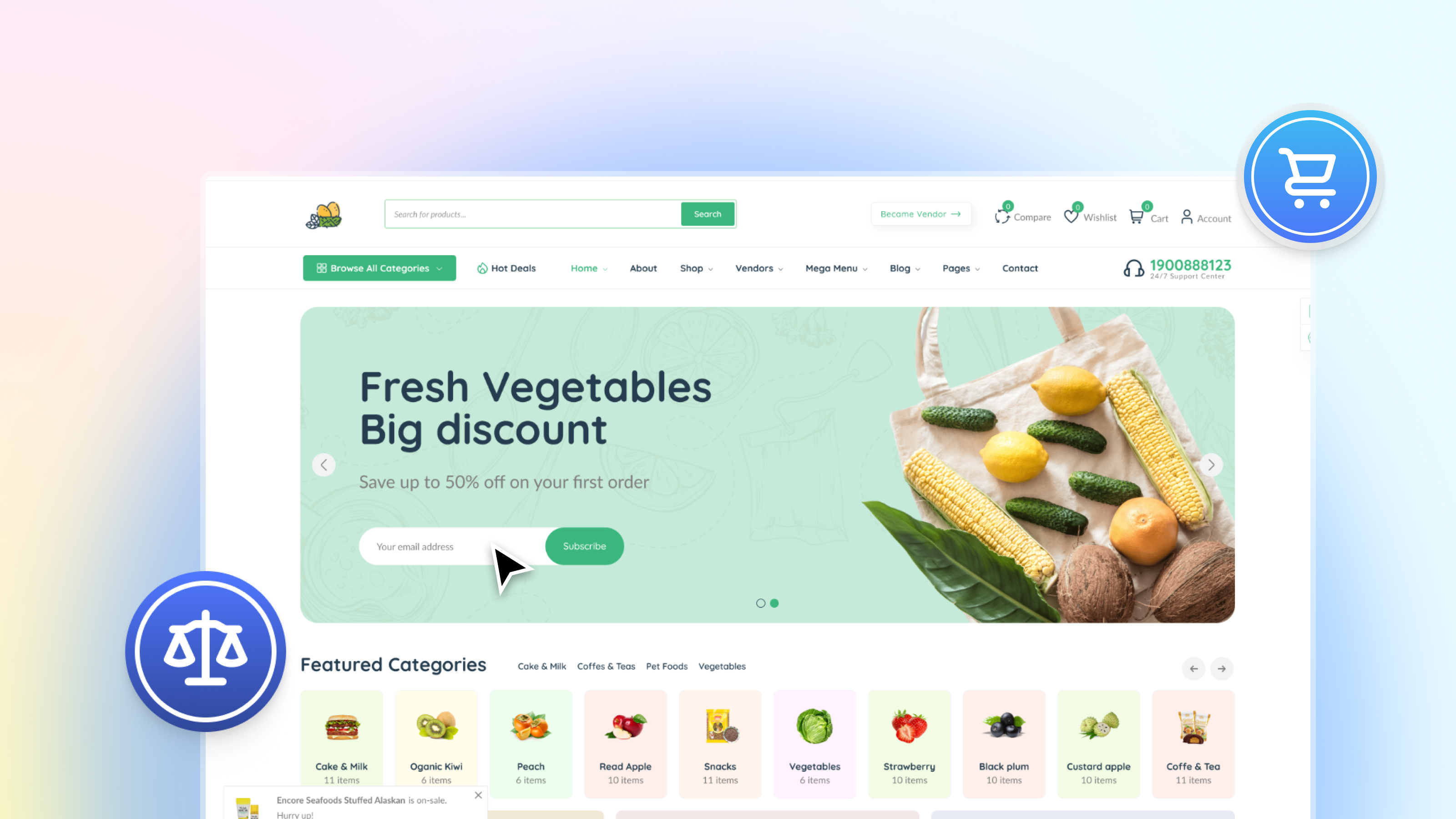 Vijf feiten over digitale uitsluiting die ons aan het denken zouden moeten zetten.
Voor veel mensen is online winkelen onderdeel van het dagelijks leven: een paar klikken en de wekelijkse boodschappen zijn geregeld. Maar voor miljoenen is deze digitale toegang nog lang niet vanzelfsprekend. Een lopende rechtszaak in Frankrijk tegen grote winkelketens zoals Auchan, Carrefour, E.Leclerc en Picard laat zien hoe diep digitale barrières nog steeds in de samenleving verankerd zijn – en welke verantwoordelijkheid bedrijven daarbij dragen.
Rondom 12 miljoen mensen in Frankrijk Leven met een beperking. Velen zijn in hun dagelijks leven afhankelijk van digitale diensten – of het nu gaat om boodschappen doen, contact met overheidsinstanties of het opzoeken van informatie. Recente onderzoeken schetsen echter een ontnuchterend beeld:
Volgens een analyse van de Observatoire de l'toegankelijkheid numerique , geïnitieerd door de Fédération des Aveugles en Amblyopes de France (FAAF), slechts 3,4% van de grote bedrijfswebsites waren toegankelijk in 2025. Op alle onderzochte locaties, minder dan één procent Voldoet volledig aan de wettelijke eisen voor digitale toegankelijkheid.
Deze cijfers maken het duidelijk: digitale ontoegankelijkheid is geen marginaal probleem, maar treft een aanzienlijk deel van de bevolking – met directe gevolgen voor zelfstandigheid, participatie en gelijkheid.
Digitale toegankelijkheid is geen nieuw probleem in Frankrijk. Het is al langer een actueel thema. sinds 2005 wettelijk vastgelegd , via wet nr. 2005-102 van 11 februari 2005 betreffende gelijkheid voor mensen met een handicap. De wet vereist openbare online communicatiediensten. toegankelijk zijn En een toegankelijkheidsverklaring publiceren .
Met de implementatie van EU-richtlijn 2019/882 (de Europese toegankelijkheidsverordening) Deze verplichtingen werden verder uitgebreid. Sinds 28 juni 2025 Er gelden bindende consumentenrechtelijke eisen voor veel digitale producten en diensten, waaronder webwinkels. Bedrijven hadden enkele jaren de tijd om zich voor te bereiden.
In dit geval hebben de eiserverenigingen formele kennisgevingen verzonden op 7 juli 2025 Omdat er, ondanks overleg en het stellen van deadlines, geen substantiële verbeteringen optraden, dienden ze een verzoek in voor een voorlopige voorziening ("référé") in November 2025 De brancheorganisaties spreken van een "zekere onverschilligheid" van de bedrijven ten aanzien van hun wettelijke verplichtingen.
“Ondanks herhaalde waarschuwingen en wettelijke termijnen zien we een zekere onverschilligheid bij de grote detailhandelaren ten aanzien van hun verplichtingen. Dit is geen technisch probleem, maar een gebrek aan politieke wil binnen de bedrijven.” — Droit Pluriel, Intérêt à Agir en ApiDV in een gezamenlijke verklaring
Hoe weinig gewicht het argument van 'gedeeltelijke conformiteit' in de schaal legt, blijkt uit het geval van E.Leclerc. In een toegankelijkheidsverklaring die in mei 2023 werd gepubliceerd, gaf het bedrijf toe te voldoen aan de toegankelijkheidseisen. slechts 32% van de criteria Pas na een externe audit in augustus 2023 werd dit percentage verhoogd naar 50%.
Maar zelfs met zo'n score kunnen veel gebruikers nog steeds niet zelfstandig online winkelen. Tot de geconstateerde problemen behoorden:
ontbrekende tekstalternatieven voor afbeeldingen
onvoldoende kleurcontrast
vage of overbodige linkteksten
elementen die niet via het toetsenbord bediend kunnen worden
gebrekkige kop- en inhoudsstructuren
Dergelijke obstakels blokkeren essentiële functies zoals productselectie, winkelmandje of afrekenen.
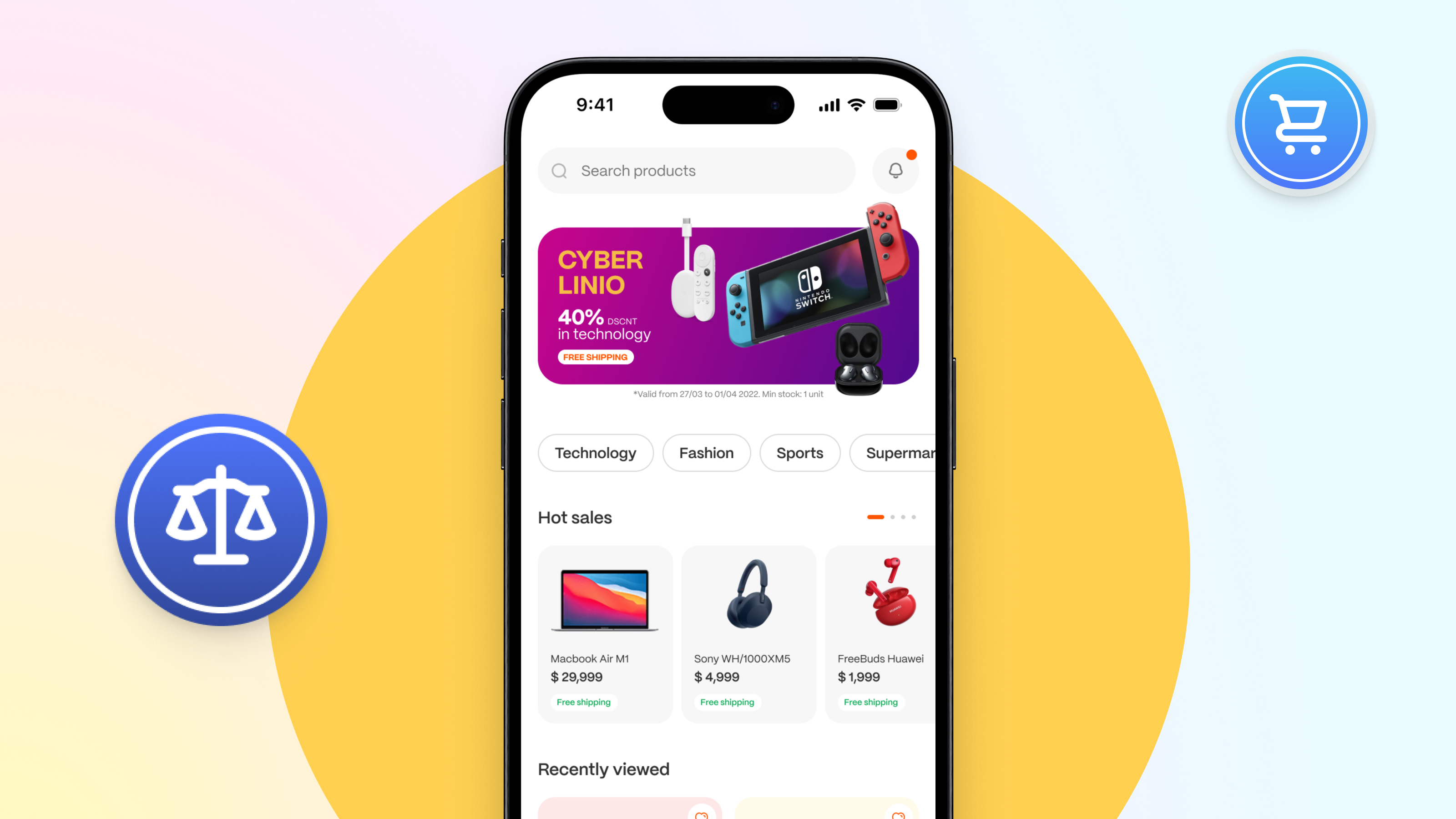
Zelfs de meest geavanceerde ondersteunende technologieën, zoals schermlezers, kunnen niet compenseren wanneer websites slecht zijn ontworpen. Het resultaat is niet alleen beperkte bruikbaarheid, maar ook de verlies van autonomie, privacy en gelijke participatie .
Juridisch gezien gaat het om het verbod op discriminatie en de verplichting om gelijke toegang tot digitale diensten te garanderen – ethisch gezien gaat het om niets minder dan wie er in de digitale samenleving wordt meegerekend.
De rechtszaak wordt beschouwd als een primeur in Frankrijk. Voor het eerst worden verschillende grote supermarktketens gezamenlijk aangeklaagd in een spoedprocedure omdat ze geen digitale toegankelijkheid bieden. De uitkomst zou een precedent kunnen scheppen voor de gehele e-commerce sector.
Dat rechtbanken bereid zijn de kwestie serieus te nemen, is reeds aangetoond door een uitspraak op 21 mei 2024 Destijds werd de Franse staat aansprakelijk gesteld omdat software die in het onderwijs werd gebruikt niet toegankelijk was – wederom na een rechtszaak aangespannen door dezelfde organisaties.
Het huidige juridische geschil maakt één ding duidelijk: digitale toegankelijkheid is geen technisch detail en ook geen vrijwillige toevoeging. Het bepaalt of mensen zelfstandig kunnen winkelen, toegang hebben tot informatie en kunnen deelnemen aan het sociale leven.
Degenen die digitale diensten ontwerpen, dragen een verantwoordelijkheid. En degenen die barrières negeren, sluiten mensen uit.
De vraag is niet langer óf digitale toegankelijkheid moet worden ingevoerd, maar hoe consequent dit moet gebeuren.
Digitale toegankelijkheid bepaalt in de e-commerce of klanten überhaupt kunnen winkelen. Met de gratis WCAG-scan van Eye-Able weet u binnen enkele minuten of uw webshop voor iedereen toegankelijk is – en waar verbeteringen nodig zijn.
Digitale toegankelijkheid bepaalt of klanten überhaupt kunnen winkelen. Controleer nu de toegankelijkheid van uw website en verklein het juridische risico voordat het een probleem wordt.
Een overlay maakt een website niet vanzelf toegankelijk
Lees verhaal:no_upscale())
Digitale toegankelijkheid en SEO: waarom ook Google van deze websites houdt
Lees verhaal:no_upscale():format(png))
"Digitale toegankelijkheid is nu geen prioriteit" - en dat kost je elke dag omzet
Lees verhaal:no_upscale():format(png))
Toegankelijkheid iPhone: zo haal je alles uit de toegankelijkheidsinstellingen
Lees verhaal:no_upscale():format(png))
Mobiele toegankelijkheid: ben jij er klaar voor?
Lees verhaal
AI accessibility: Hoe organisaties inclusieve digitale ervaringen maken
Lees verhaal:no_upscale():format(png))
Eye-Able als alternatief: wat organisaties écht nodig hebben
Lees verhaal:no_upscale())
Hoe kom ik aan een toegankelijkheidsverklaring voor de EAA?
Lees verhaal:no_upscale())
Alt-tekst: zo maak je afbeeldingen toegankelijk voor iedereen
Lees verhaal:no_upscale())
Hoe AI een handje helpt bij de Wet Digitale Toegankelijkheid
Lees verhaal:no_upscale())
Veelgemaakte fouten Wet Digitale Toegankelijkheid (EAA)
Lees verhaal:no_upscale())
De Wet Digitale Toegankelijkheid (EAA) voor het MKB: Zo krijg je je medewerkers mee!
Lees verhaalNeem contact met ons op en we helpen u graag verder.
:no_upscale():format(png))
:no_upscale():format(png))